

Clay Roofs: Timeless Beauty and Durable Performance
Overview
Clay roofs have been used for centuries across the world, prized for their aesthetic appeal, natural materials, and long lifespan.
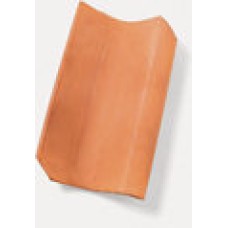
Made primarily from natural clay and fired in kilns, clay tiles offer a distinctive look that ranges from rustic barrel tiles to clean, flat profiles.
They are suitable for residential and historic buildings as well as contemporary architecture that seeks a durable, sustainable roofing solution.
Materials and Styles
Traditional Fired Clay Tiles
Traditional tiles are produced by shaping natural clay and firing it at high temperatures. The result is a strong, weather-resistant tile available in many colors and glazes.
Common styles include barrel (Spanish) tiles, mission tiles, and classic flat tiles. Each style influences the roof’s texture, water-shedding characteristics, and overall aesthetic.
Modern Interlocking and Engineered Options
Modern clay tiles often feature interlocking designs for faster installation and improved wind resistance. Engineered variations can include reinforced clay or composite blends that maintain the appearance of clay while addressing specific structural considerations.
These contemporary options expand the use of clay-style roofing to a wider range of roof pitches and climates.
Benefits
Clay roofs offer multiple advantages:
- Longevity: Properly installed clay tiles can last 50–100 years or more.
- Durability: Resistant to rot, insect damage, and many forms of weathering.
- Thermal performance: Natural thermal mass helps moderate indoor temperatures.
- Low maintenance: Require periodic inspection but less frequent repairs than many alternatives.
- Eco-friendly: Made from natural materials and often recyclable at end of life.
Installation and Maintenance
Installation Considerations
Clay tiles are heavier than many roofing materials, so roof framing must be assessed and possibly reinforced.
Correct underlayment, flashing, and ventilation are essential to prevent moisture problems and to maximize the roof’s lifespan.
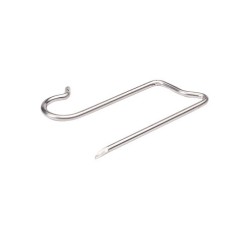
Skilled installers familiar with clay tile patterns and fastening methods will produce the best results.
Maintenance Tips
Inspect tiles periodically for cracks or dislodgement, clear debris from valleys and gutters, and replace broken tiles promptly.
Moss and algae can be managed with gentle cleaning; avoid harsh pressure washing that can damage tiles.
Costs, Lifespan, and Suitability
Initial costs for clay roofing are typically higher than asphalt shingles, but the long service life and low maintenance can make them cost-effective over decades.
Clay roofs perform best in dry to moderate climates and in regions where freeze-thaw cycles are limited or where frost-resistant tile is specified.
Whether chosen for historical accuracy or contemporary design, clay roofs remain a premium option that combines beauty, sustainability, and enduring performance.