


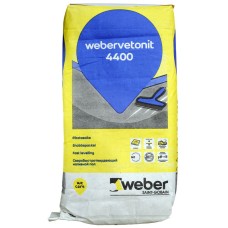
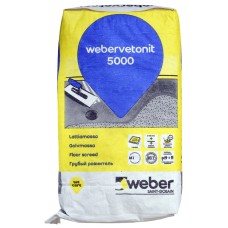
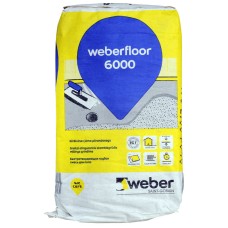


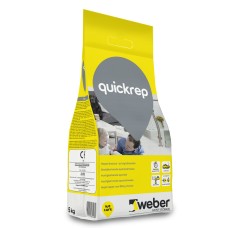






Comprehensive guide to Floor levelling mixtures for confident floor preparation
[name] is a collection of ready-to-mix and pre-blended products designed to create flat, smooth and durable substrates before final floor coverings are installed. In this category you will find self-levelling screeds, cementitious and gypsum-based underlayments, polymer-modified mixtures, rapid-drying compounds and primers formulated to improve adhesion. These products allow contractors and DIYers to correct irregularities, fill hollows, and achieve the required flatness for tiles, vinyl, laminate, wood and carpet installations.
Types and variants
Different projects require different formulations. Below are the main types you will encounter in the [name] category.
Self-leveling compounds
Fluid mixtures that spread and level under their own weight to create a smooth surface with minimal trowel work.
Cement-based underlayments
Robust and moisture-tolerant blends suitable for heavy traffic and wet areas; often used as a base for tile or stone.
Gypsum-based floor levellers
Quick-sand and fine-finish products ideal for indoor applications where a smooth surface is required before soft floor coverings.
Polymer-modified mixes
Enhanced adhesion and flexibility to reduce cracking and improve bonding to problematic substrates.
Rapid-drying formulas
Designed to reach sufficient strength in hours rather than days, speeding up project timelines.
Where Floor levelling mixtures is used - application areas
- Residential floors: living rooms, kitchens, bathrooms (under tiles, vinyl or engineered wood).
- Commercial spaces: retail, offices and showrooms where consistent flatness is critical.
- Industrial floors: warehouses and workshops requiring high compressive strength and durability.
- Underfloor heating systems: compatible levellers that conduct heat and prevent delamination.
- Renovation projects: levelling over old screeds, concrete or timber subfloors with appropriate primers.
How to choose the right product
Selecting the correct [name] depends on substrate condition, required thickness, drying time and final covering. Follow this practical checklist to simplify the decision:
Key selection factors
- Substrate type and moisture level — choose cementitious for wet areas, gypsum for dry interiors.
- Required build-up — thin self-levelers for 2–10 mm, screeds for greater depths.
- Drying and return-to-service time — rapid-dry if schedule is tight.
- Compressive and flexural strength — higher class for heavy loads or industrial use.
- Compatibility with adhesives and final coverings — consult technical datasheets.
- Environmental and safety requirements — low-VOC options for indoor air quality.
Advantages of buying in our online store
- Wide selection of certified products from trusted manufacturers, with technical data and application guides available on each product page.
- Filter and compare options by thickness, drying time and strength to find the best match for your project.
- Convenient delivery and packaging sizes for both small renovation jobs and large construction sites.
- Expert customer support to recommend primers, mixing ratios and tools for professional results.
- Customer reviews and real-world application tips to help you avoid common mistakes.
Choosing the right [name] transforms preparation into a predictable, quality-controlled step of your flooring project. If you need help selecting the optimal mix or calculating quantities, our specialists are ready to assist so you get a durable, flat base that extends the life of the final floor covering.