
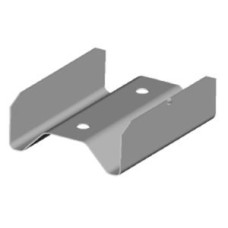
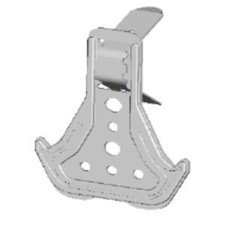
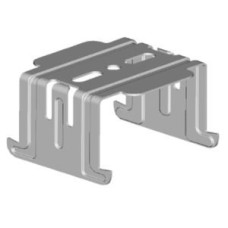
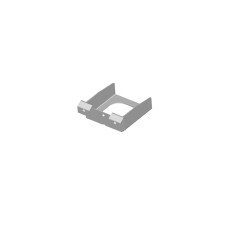
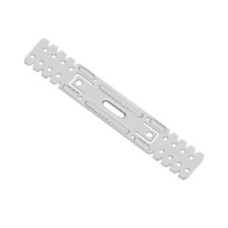

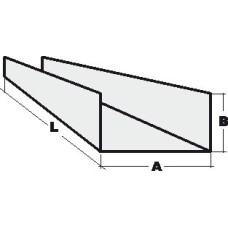
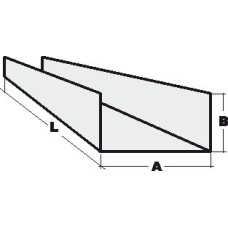
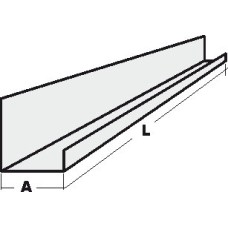
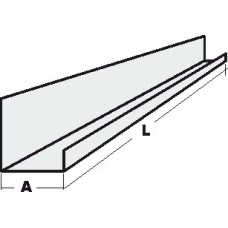
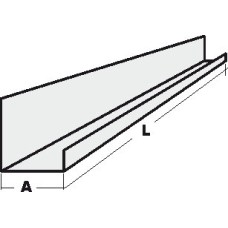
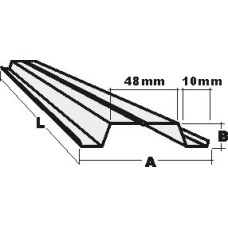
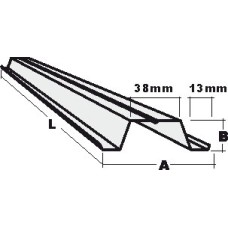
Overview of Metal Frames and Fasteners
Metal frames and fasteners form the backbone of many modern structures, from furniture and shelving to industrial machinery and architectural systems. Their combination of strength, durability, and adaptability makes them a preferred choice for designers, engineers, and builders. This description outlines common materials, types, finishes, installation considerations, advantages, and maintenance practices to help you choose and work with metal frames and their associated fasteners effectively.
Common Materials and Their Properties
Metal frames are manufactured from several primary metals, each offering specific mechanical properties and aesthetic characteristics:
- Steel: High tensile strength and excellent load-bearing capabilities. Often used in construction, industrial racks, and heavy-duty furniture. Steel frames can be hot-rolled, cold-rolled, or fabricated from structural sections like I-beams and channels.
- Stainless Steel: Corrosion-resistant and ideal for environments exposed to moisture, chemicals, or food-grade applications. Provides a clean, modern finish without the need for additional coatings.
- Aluminum: Lightweight and resistant to corrosion, aluminum is commonly used where weight reduction is critical—such as transport frames, window systems, and portable structures.
- Galvanized Metals: Galvanization (zinc coating) protects steel against rust and is widely used for outdoor framing and infrastructure components.
Types of Fasteners Used with Metal Frames
The choice of fastener affects structural integrity, ease of assembly, and long-term performance. Typical fastener options include:
- Bolts and Nuts: Provide strong, removable connections and are available in various grades (e.g., Grade 5, Grade 8, metric classes). Use washers to distribute load and prevent loosening.
- Screws: Self-tapping and machine screws are common for attaching panels and light components. Thread type and length must match the substrate thickness.
- Rivets: Ideal for permanent, vibration-resistant joints—often used in sheet metal and aircraft-grade assemblies.
- Welds: For permanent, high-strength connections. Welding methods include MIG, TIG, and stick welding, selected based on material and environmental considerations.
- Anchors and Inserts: Used to secure frames to concrete, masonry, or composite substrates. Expandable anchors, chemical anchors, and threaded inserts each serve specific load and installation needs.
Finishes and Corrosion Protection
Proper finishing extends the life of metal frames and improves aesthetics. Common finishes include:
- Powder Coating: Durable, uniform coating available in many colors and textures. Offers good resistance to chipping and UV exposure.
- Painting: Conventional liquid paints can be used for touch-ups and protective layers. Primer layers are recommended for better adhesion.
- Galvanizing and Zinc Plating: Effective against rust, especially for outdoor or humid applications.
- Anodizing (for Aluminum): Enhances corrosion resistance and surface hardness while allowing colored finishes.
Design and Installation Considerations
Load, Tolerances, and Connection Design
Designing metal frames requires attention to static and dynamic loads, deflection limits, and tolerance stacking. Engineers calculate expected loads and choose frame profiles and fastener sizes accordingly. Bolted connections should factor in shear and bearing stresses; welded joints require appropriate joint preparation and post-weld treatments.
Pre-assembly Planning
Before assembly, verify dimensions, hole alignment, and material compatibility. Pre-drilling, countersinking, and using templates can speed up installation and reduce errors. Use torque-controlled tools for critical fasteners to ensure consistent clamping force.
Environmental and Safety Factors
Consider temperature changes, exposure to chemicals, and potential galvanic corrosion when different metals are in contact. Insulating washers or coatings may be necessary to prevent electrochemical reactions. Follow safety standards for lifting, welding, and handling sharp metal edges.
Maintenance and Long-Term Performance
Inspection and Preventive Care
Regular inspections identify loosening fasteners, corrosion, and fatigue cracks early. Tighten bolts to specified torque, replace rusted or damaged fasteners, and touch up coatings to prevent further degradation. For welded structures, inspect for weld cracks and ensure protective coverings remain intact.
Repair and Replacement Strategies
When components fail, assess whether repair or replacement is appropriate. Replace fasteners in matching material grades and apply anti-seize lubricants where frequent disassembly is expected. For structural damage, consult a qualified engineer to confirm repair methods meet safety requirements.
Why Choose Metal Frames and Fasteners?
Metal framing systems paired with appropriate fasteners deliver reliable performance, design flexibility, and longevity across diverse applications. With correct material selection, finishing, and maintenance, they provide a cost-effective solution for both temporary and permanent constructions. Whether for industrial, commercial, or residential projects, understanding the interaction between frames and fasteners ensures safe, efficient, and durable assemblies.